
How Disney Quietly Gets You to Spend More Money (And Why It Works)
If you’ve ever walked out of Walt Disney World wondering how you spent so much without really *feeling* like you did… you’re not alone.
I’ve been there too.
At first, it just feels like a great day—rides, food, shows, maybe a souvenir or two. But when you zoom out and really look at how the parks are designed, something much more intentional starts to reveal itself.
Because Disney isn’t just creating theme parks.
They’re designing behavior.
And once you see it, you can’t unsee it.
It Starts Before You Even Arrive
Long before you ever step foot inside Magic Kingdom or EPCOT, Disney is already shaping how much you’re going to spend.
One of the biggest decisions?
Where you stay.
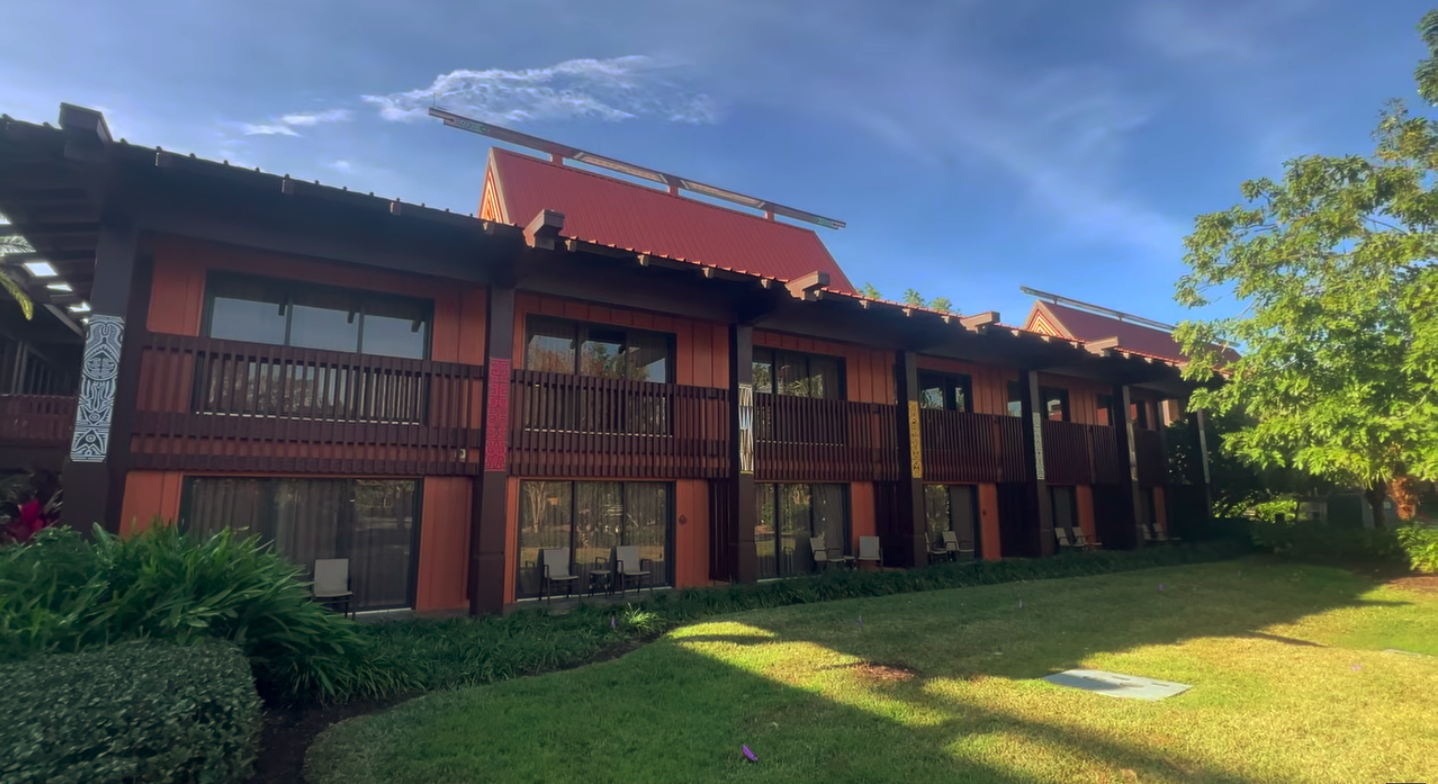
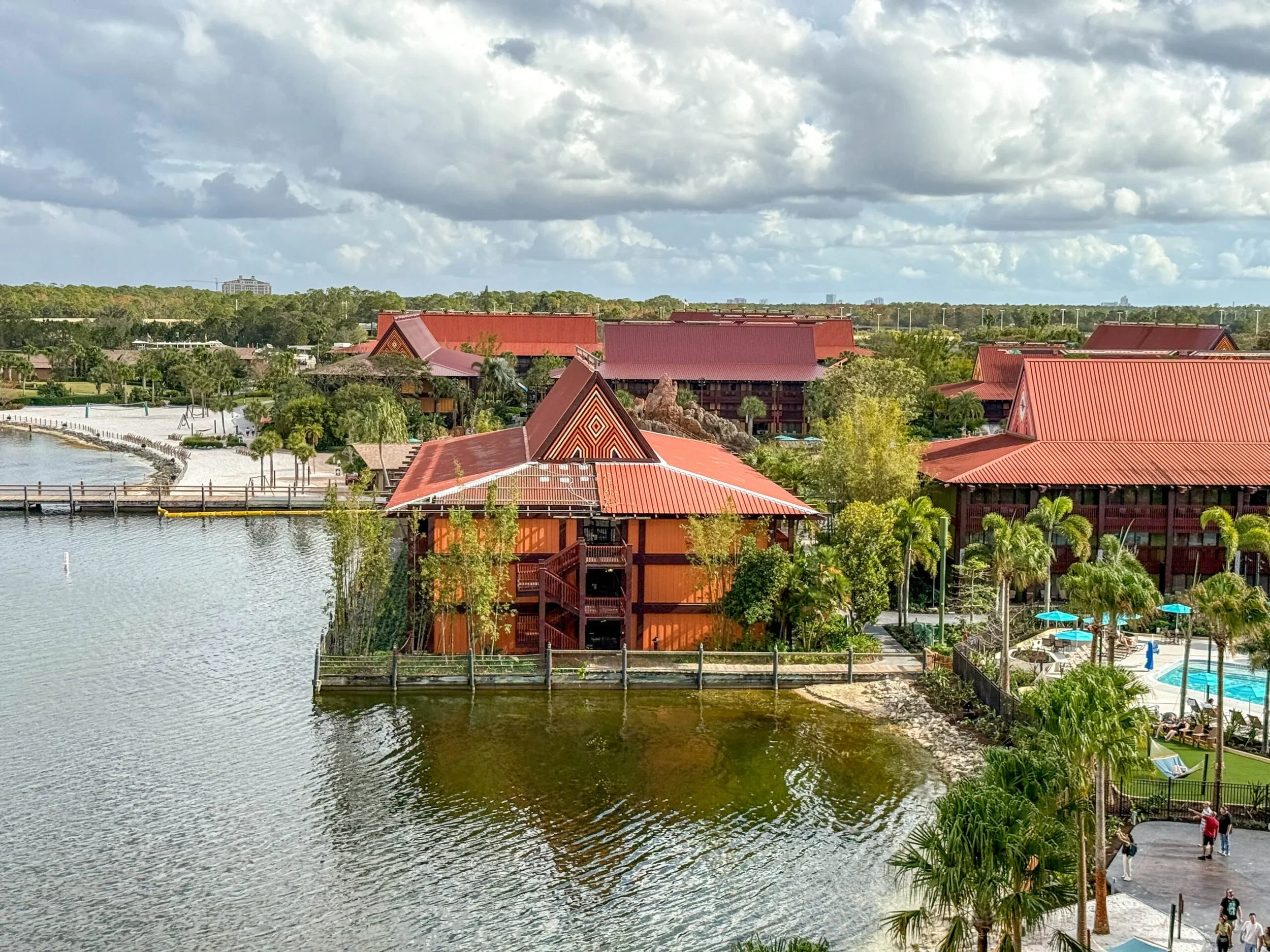
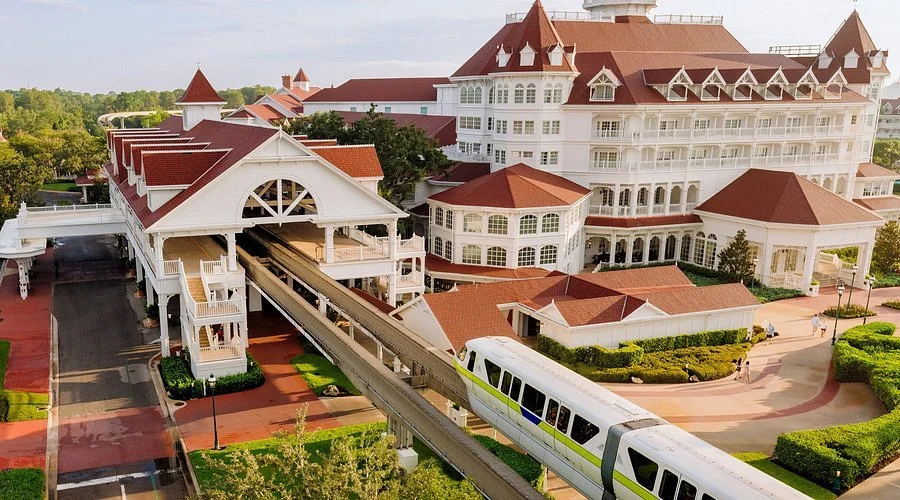
Disney positions on-property hotels as convenience upgrades—early park entry, access to Lightning Lane booking, and seamless transportation. And yes, those are real benefits.
But they also serve a deeper purpose.
They keep you *inside the system*.
When you stay on property:
You’re less likely to leave for meals
Less likely to explore off-site entertainment
More likely to spend your entire day (and money) within Disney
And here’s the key: it doesn’t feel like spending more.
It feels like getting more.
That’s the psychological shift Disney is incredibly good at creating.
Even Parking Is Designed to Upsell You
If you don’t stay on property, the system doesn’t stop—it just changes.
You’ll drive. You’ll pay for parking. That’s expected.
But then comes the upgrade: preferred parking.
At the beginning of the day, it feels unnecessary. Why pay extra just to walk a little less?
But after 8–10 miles of walking in Florida heat, that shorter walk back suddenly feels worth every dollar.
Disney doesn’t force you to spend more.
They create moments where spending more feels like the smart decision.
The First Thing You “See” Is Actually a Smell
When you enter Main Street U.S.A., something hits you before you even realize it.
Popcorn.
Or coffee.
Or baked goods.
That’s not an accident.
Disney uses scent marketing to trigger cravings and plant ideas early in your day. You might not buy anything right away—but later, when you pass by again, it feels like your idea.
That’s how subtle this is.
You Shop Before You Ride
Before your first attraction, you’ve already walked through a retail corridor.
Main Street at Magic Kingdom
Creations Shop area at EPCOT
Hollywood Boulevard at Disney’s Hollywood Studios
Discovery Island at Disney’s Animal Kingdom
This is intentional.
Disney introduces merchandise *before* experiences—not to make you buy immediately, but to build familiarity.
You see things. You remember them.
And later, those memories come back right when you’re most likely to buy.
Air Conditioning Is a Sales Strategy
At some point, the Florida heat catches up with you.
And suddenly, that open shop door with cold air pouring out feels irresistible.
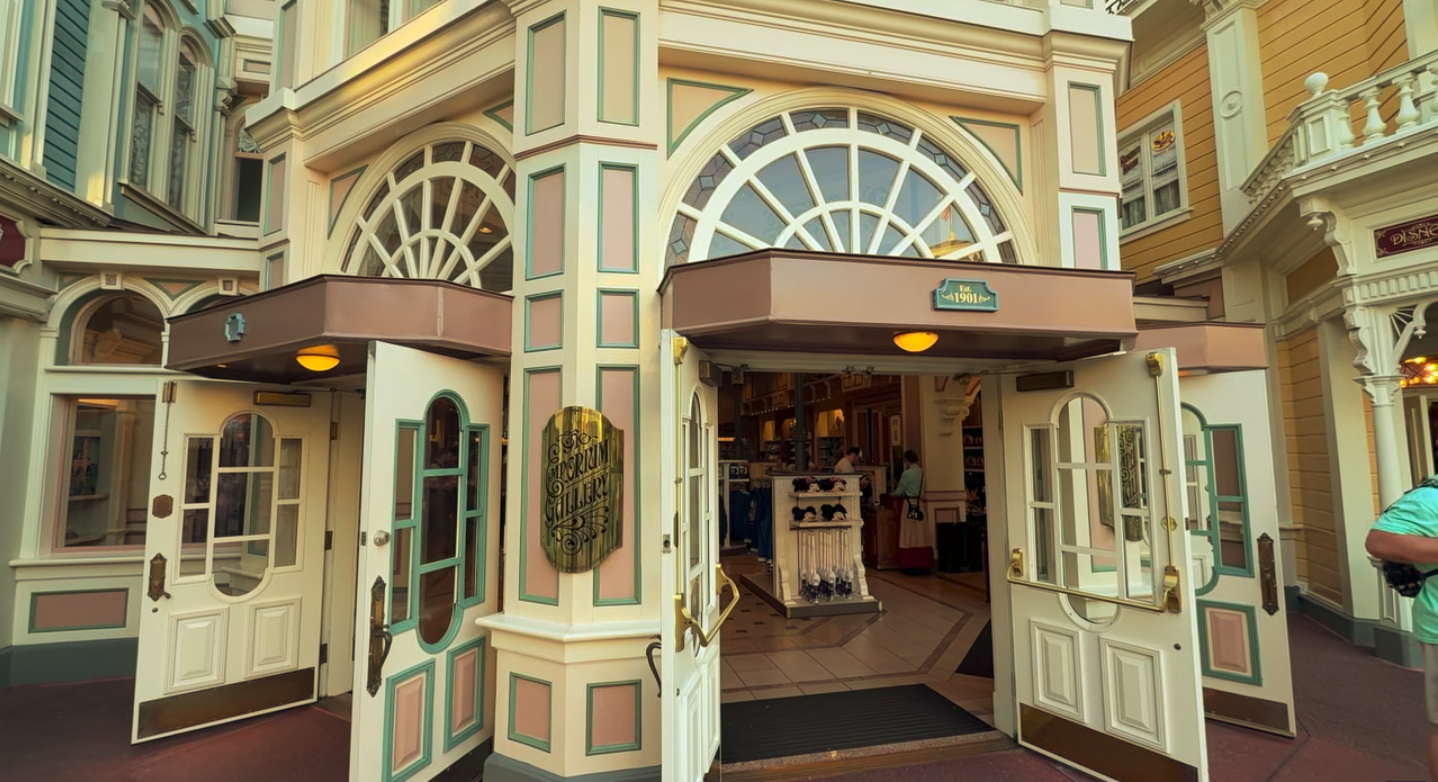
You step inside to cool off.
But once you’re inside, something changes—you slow down.
And when you slow down, you start looking.
This is one of Disney’s simplest and most effective tactics:
They turn relief into retail opportunity.
The Exit-Through-The-Gift-Shop Effect
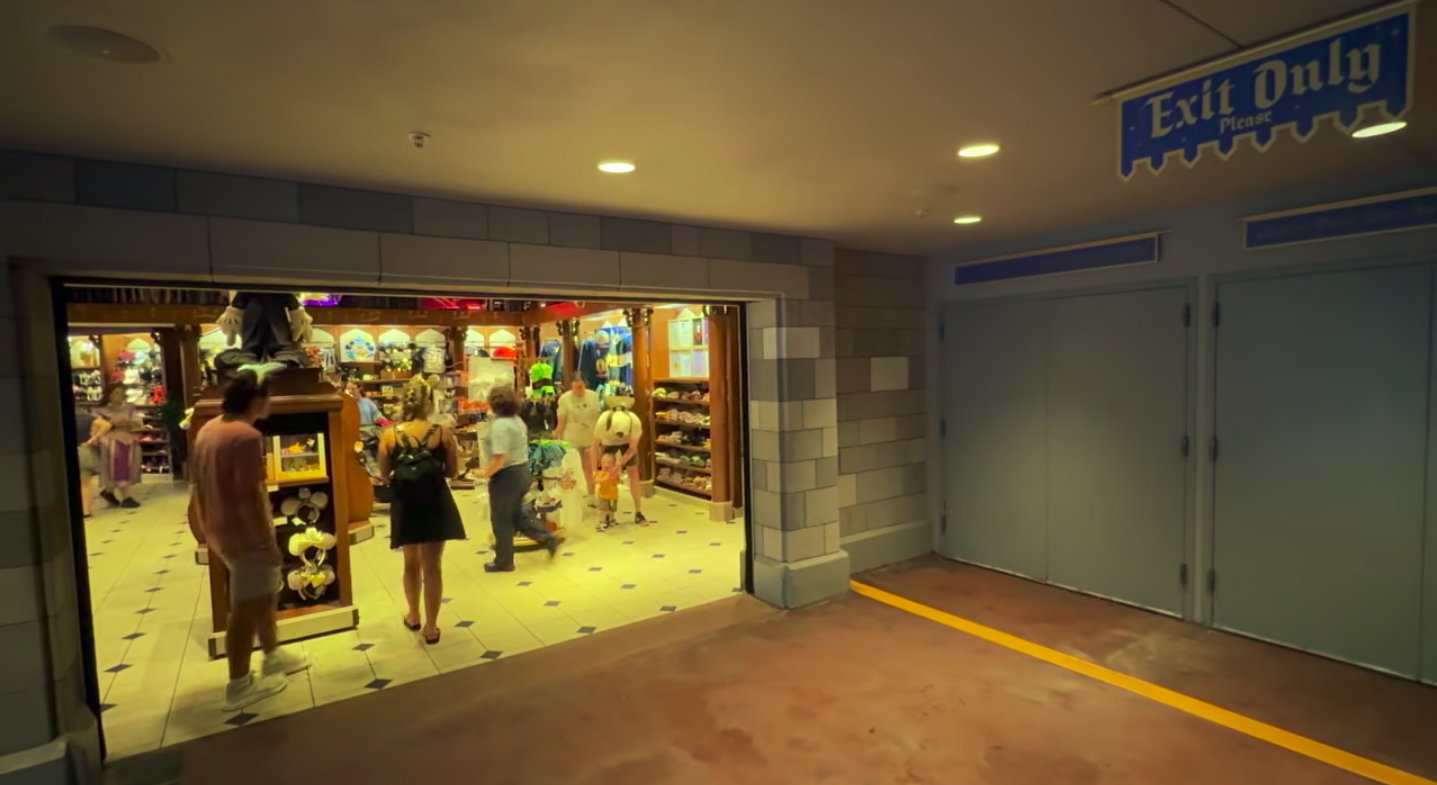
You’ve probably noticed this one.
Rides like Space Mountain and Pirates of the Caribbean don’t just end…
They funnel you directly into a store.
That timing is everything.
Right after a ride:
Your emotions are elevated
You’re excited
You’re immersed in the story
Buying something in that moment doesn’t feel like a transaction.
It feels like holding onto the experience.
The “Grab Zone” and Eye-Level Psychology
Inside Disney stores, nothing is random.
Adult items → eye level
Kids’ toys → within arm’s reach
This lower area—often called the “grab zone”—is designed specifically for children.
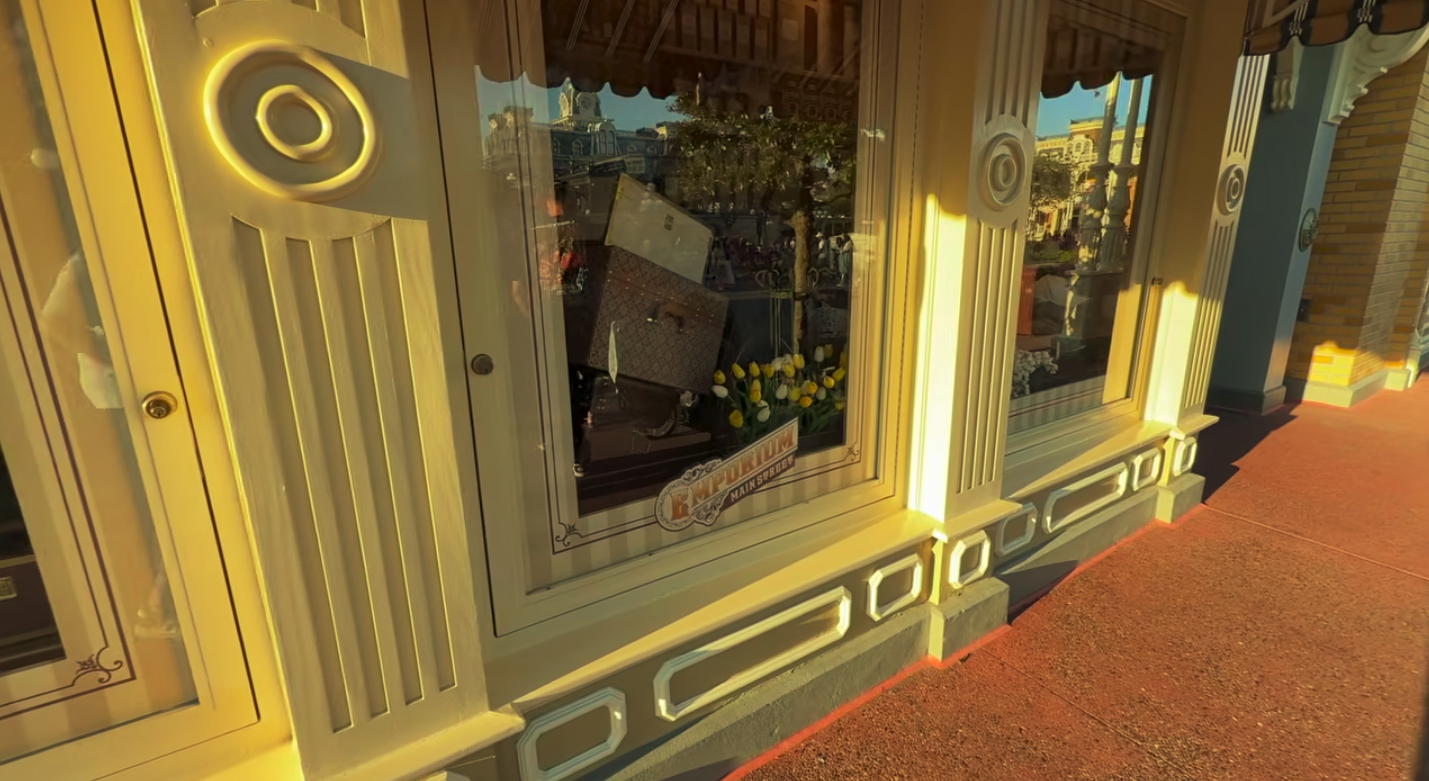
And Disney takes it even further:
Toys light up
Make sounds
React instantly
This creates an emotional loop that bypasses logical thinking.
It’s not just “Do I want this?”
It becomes “This is fun—I want it now.”
Guests Become the Marketing
One of the most fascinating strategies?
Disney turns guests into walking advertisements.
Bubble wands. Glow ears. Light-up toys.
These aren’t just souvenirs—they’re part of the environment.
You see other people using them all day:
A kid trailing bubbles
Someone wearing glowing Mickey ears
Accessories syncing with nighttime shows
And suddenly, it doesn’t feel optional.
It feels like part of the experience.
The Fireworks Are a Business Strategy
Nighttime shows—like the fireworks over Cinderella Castle—aren’t just entertainment.
They’re a timing mechanism.
Without them, many guests would leave earlier.
But with a scheduled nighttime spectacular:
Guests stay longer
Crowds anchor in place
Spending opportunities increase
About an hour before the show, everything shifts.
People stop moving. They wait.
And Disney responds immediately:
Snack carts appear
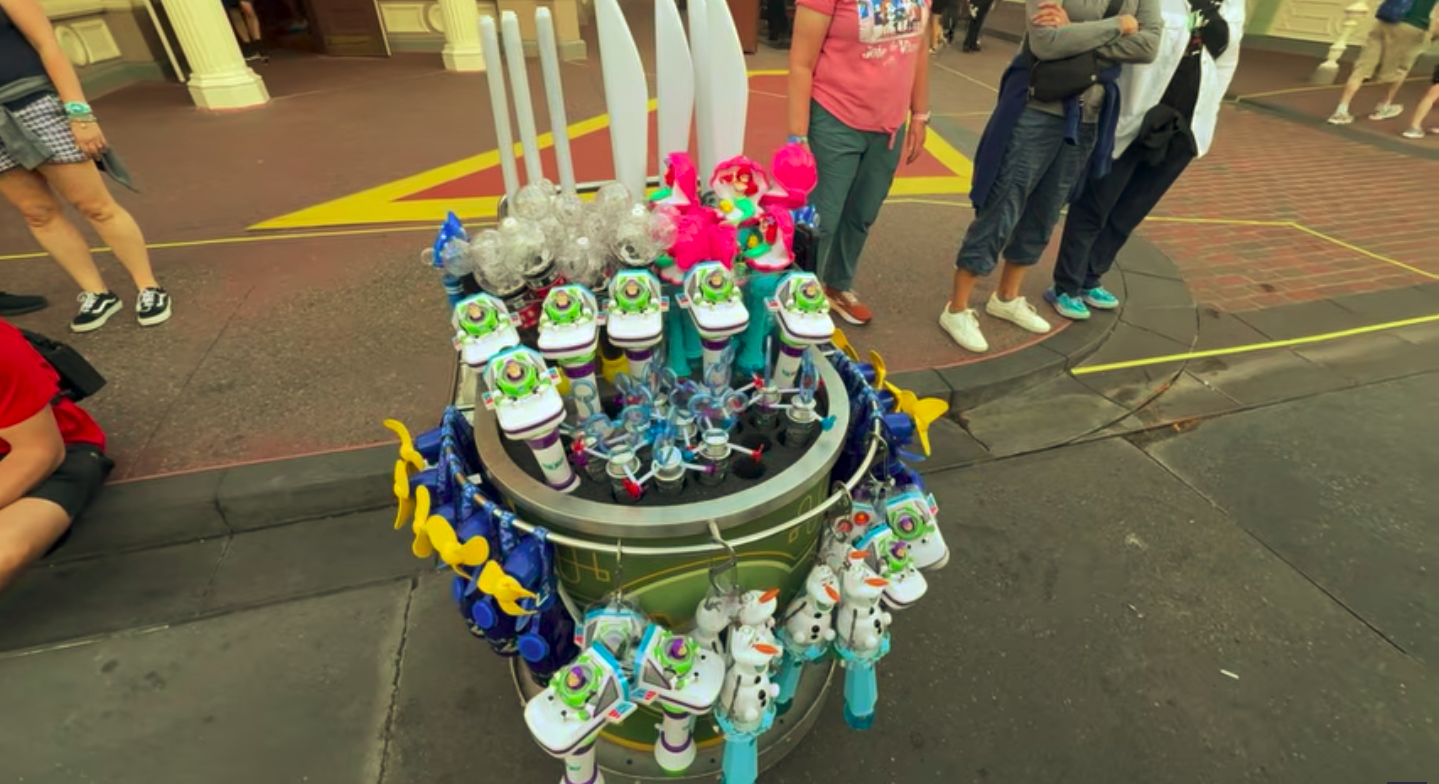
Merchandise carts roll in
Light-up toys flood the area
This is when “waiting” turns into spending.
Because when you’re stationary, buying something becomes something to *do*.
Nighttime Changes Everything
As the sun sets, the parks transform.
Walkways dim
Stores get brighter
Merchandise becomes more visible
This isn’t just aesthetic—it’s strategic.
Your attention is pulled toward retail one last time as you leave.
And speaking of leaving…
You Can’t Exit Without Shopping Again
At the end of the night, you pass back through the same retail corridor you entered.
Stores like the Emporium at Magic Kingdom are designed with:
No clear straight paths
Interconnected rooms
Visual “magnets” pulling you deeper inside
This layout forces you to browse—even if you didn’t plan to.
The longer you stay, the more likely you are to buy.
Time spent = money spent.
Frictionless Spending: The Real Game Changer
If you’ve ever used a MagicBand, you’ve experienced this.
It’s:
Your ticket
Your room key
Your payment method
No wallet. No hesitation.
Just tap and go.
Every step removed from a transaction reduces the chance you’ll reconsider.
Disney has mastered this.
Your Phone Makes It Even Easier
The My Disney Experience app takes it even further.
Mobile ordering changes how people spend.
Instead of feeling rushed at a counter, you:
Scroll more
Browse more
Add more
Studies (including research from the University of South Florida) show people spend **15–20% more** when ordering through apps.
Disney enhances this with:
Add-on suggestions
Limited-time items
Seamless checkout
There’s no pressure.
Just perfectly timed nudges.
The Big Picture
None of these strategies feel aggressive on their own.
Most of them are almost invisible.
But together?
They create an environment where:
Spending feels natural
Extra purchases feel justified
And leaving without buying something feels unusual
That’s the real genius of The Walt Disney Company.
They don’t just design rides.
They design decisions.
🎬 Watch the Full Breakdown
If you want to see how all of these strategies come together in real time—including details I couldn’t fully cover here—check out my full video:
https://youtu.be/EAc9zwdtamU I break down the psychology, the layout, and the subtle tactics Disney uses every single day to increase guest spending—without it ever feeling forced.
If you’re into Disney strategy, theme park design, or business psychology, this is exactly the kind of insight that will change how you see the parks forever.
Search for more information on my blog.
Recent Articles
The OrlandoParksGuy blog is officially sunsetting as 100% of our focus shifts to building the ultimate visual travel and vacation strategy resource on YouTube. Say hello to Destination Orlando.