
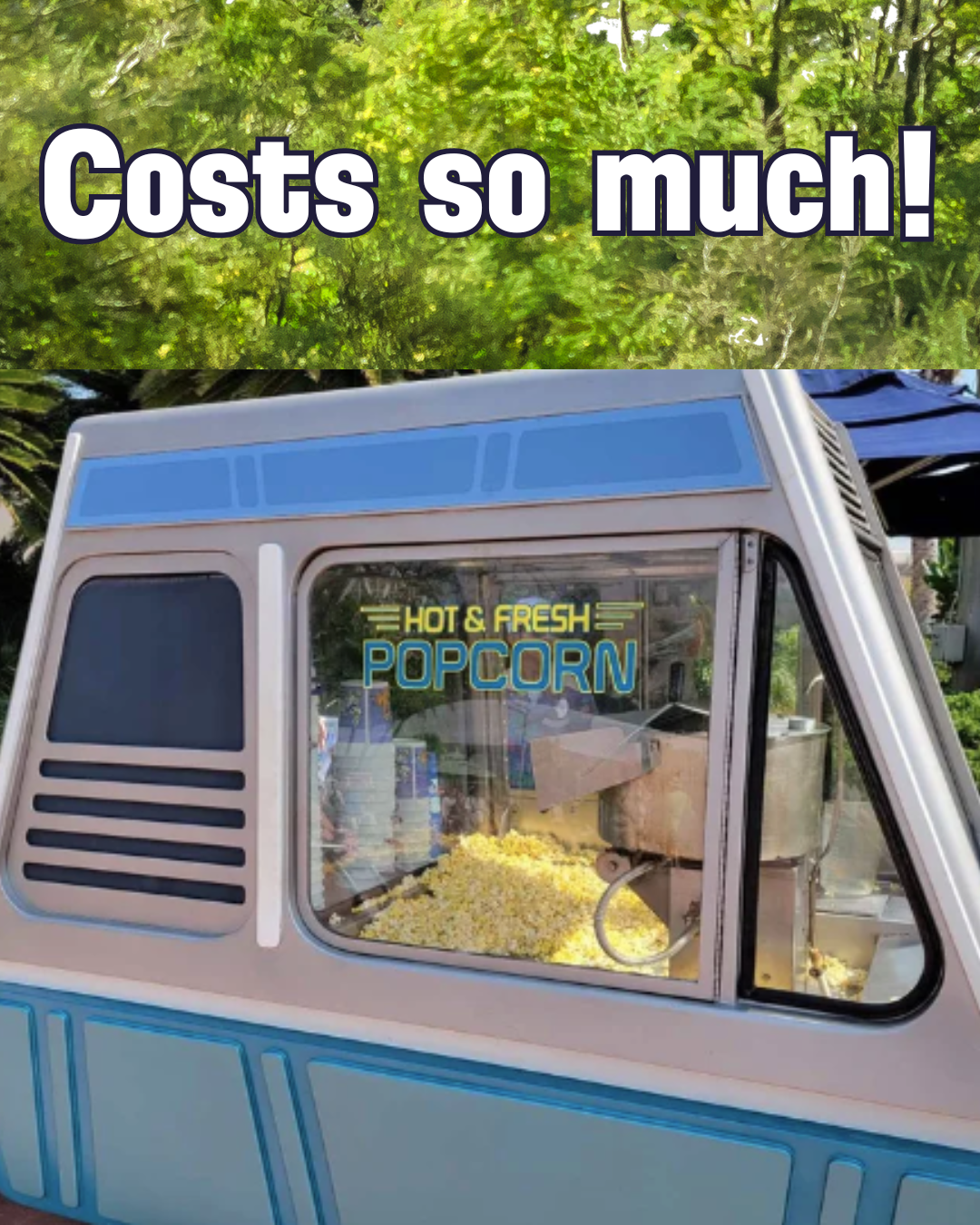
The Five Secrets: Why Theme Park Food Costs So Much
Theme park food pricing isn’t random—it’s driven by massive operating costs, psychological pricing systems like the Disney Dining Plan, high-value IP experiences such as Blue Milk and Butterbeer, and the ultimate force: captive-audience economics. Once you’re inside the gates, parks control the market, the margins, and the money.
$15 for a theme park burger? $6 for a bottle of water? $8 for a pretzel? "How in the world can Disney World and Universal charge this much?" We all think it's just pure greed, but the truth is, that high price tag is actually the result of five specific, intersecting forces that are all working together the moment you open your wallet.
We’re going to break down exactly why that bottle of water costs so much, starting with the least obvious reasons and working our way to the biggest cash cow in the theme park world.
#5: The Secret Profit Engine (It's Not the Ticket)
That's where food and drinks come in.
The finance teams see food and beverage, or F&B, as the primary cash-flow generator for theme park operations.
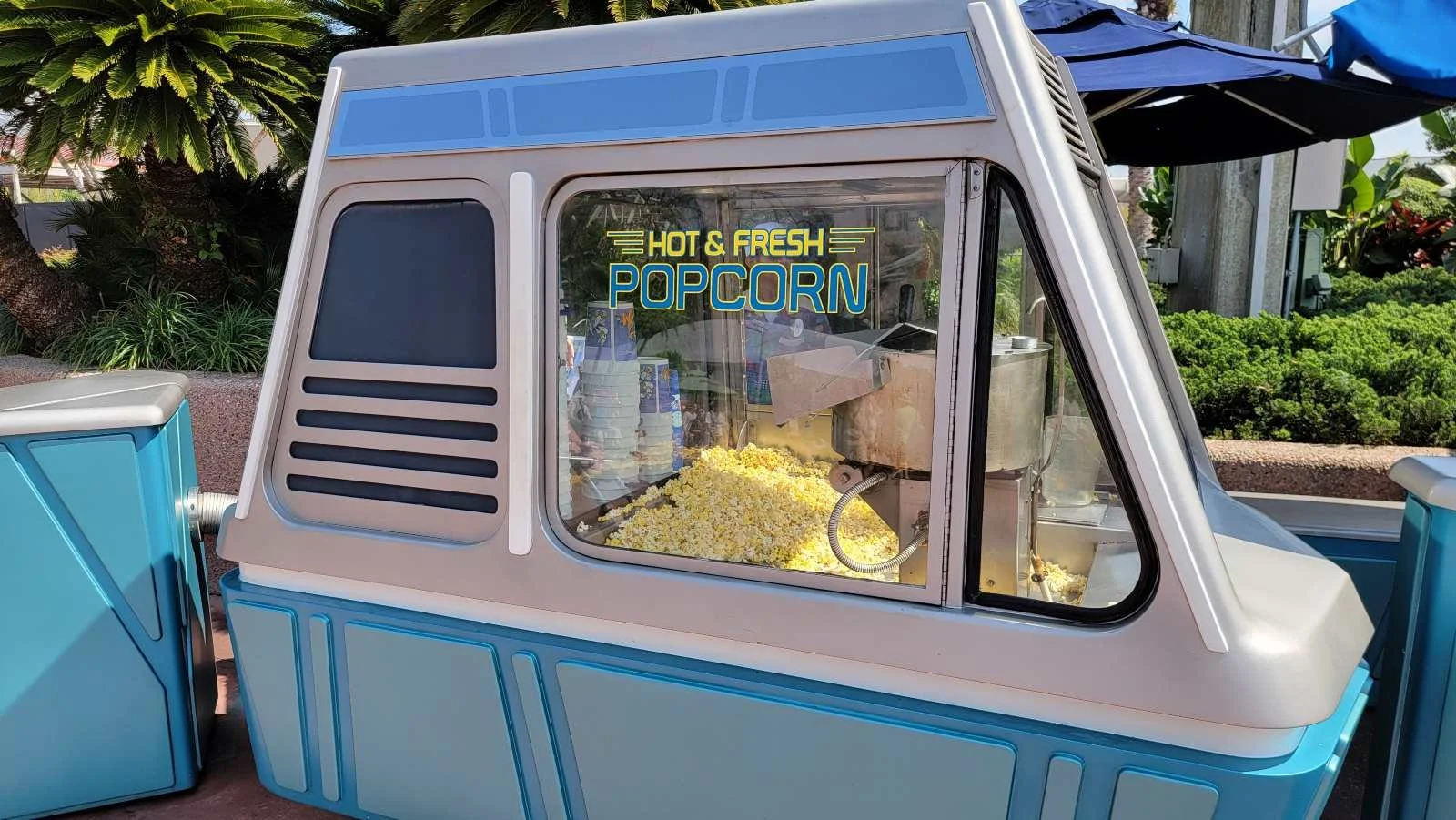
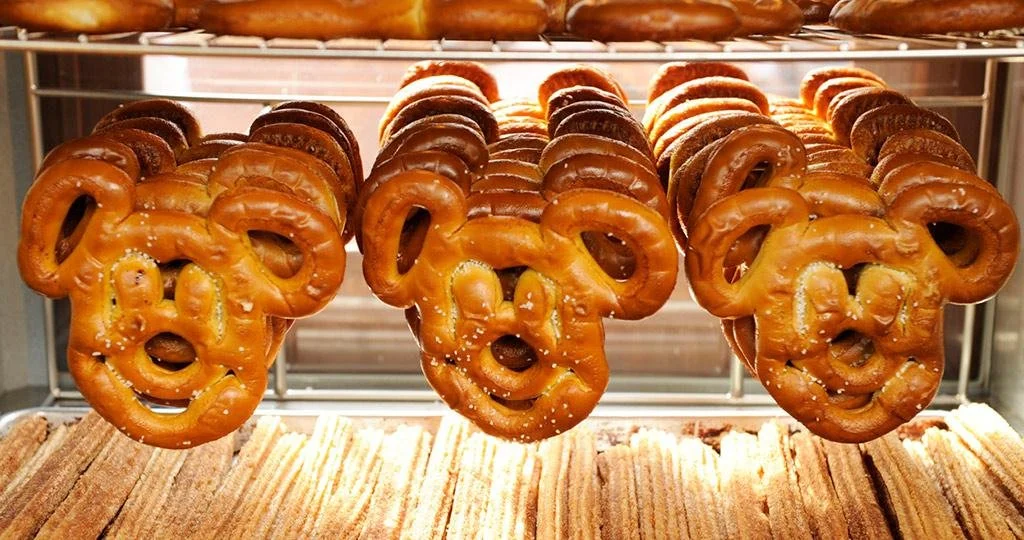
The items with the lowest cost but highest visibility—like popcorn, pretzels, and beverages are their star players.
They have a tiny cost for the theme parks, but they can be marked up by 500% or more. This massive profit margin generated by the F&B division is essential. It’s the constant stream of cash that supports all the other expensive parts of the resort.
A bottle of soda at an Orlando theme park can easily cost you $6. The cost to the park for that entire transaction—delivery, stocking it, and keeping it cold—is often less than $0.30. That massive, instant markup is repeated millions of times a year. In a world-class resort environment like Orlando, this simple item becomes one of the most reliable and high-margin transactions, a financial workhorse that drives consistent daily revenue.
The standard price for a box of popcorn is usually around $8.00. The raw materials—the kernels, oil, butter flavor, and the paper container—might cost the park as little as $0.40 to $0.60. Popcorn is intentionally placed at kiosks near high-traffic areas, offering a great aroma that acts as an instant sales trigger. Walk by one in the theme parks and tI guarantee you’ll see people waiting in line for it.
Modern, immersive lands like Star Wars: Galaxy’s Edge or The Wizarding World of Harry Potter cost half a billion dollars to build. That money pays for the detailed architecture, the incredible animatronics, and maybe even decade-spanning licensing agreements.
These mega-projects are usually built using huge loans. Your food and drink money is directly tasked with servicing that massive debt and giving the company a return on that colossal investment. If the parks charged the full, true cost of building and running these spectacular places up front, the daily ticket price would cost even more than it does today.
Instead, they keep the ticket price somewhat manageable and use the food markup to collect an "Immersive Environment Fee" on every single food item.
#4: Hidden Costs: The Infrastructure Tax
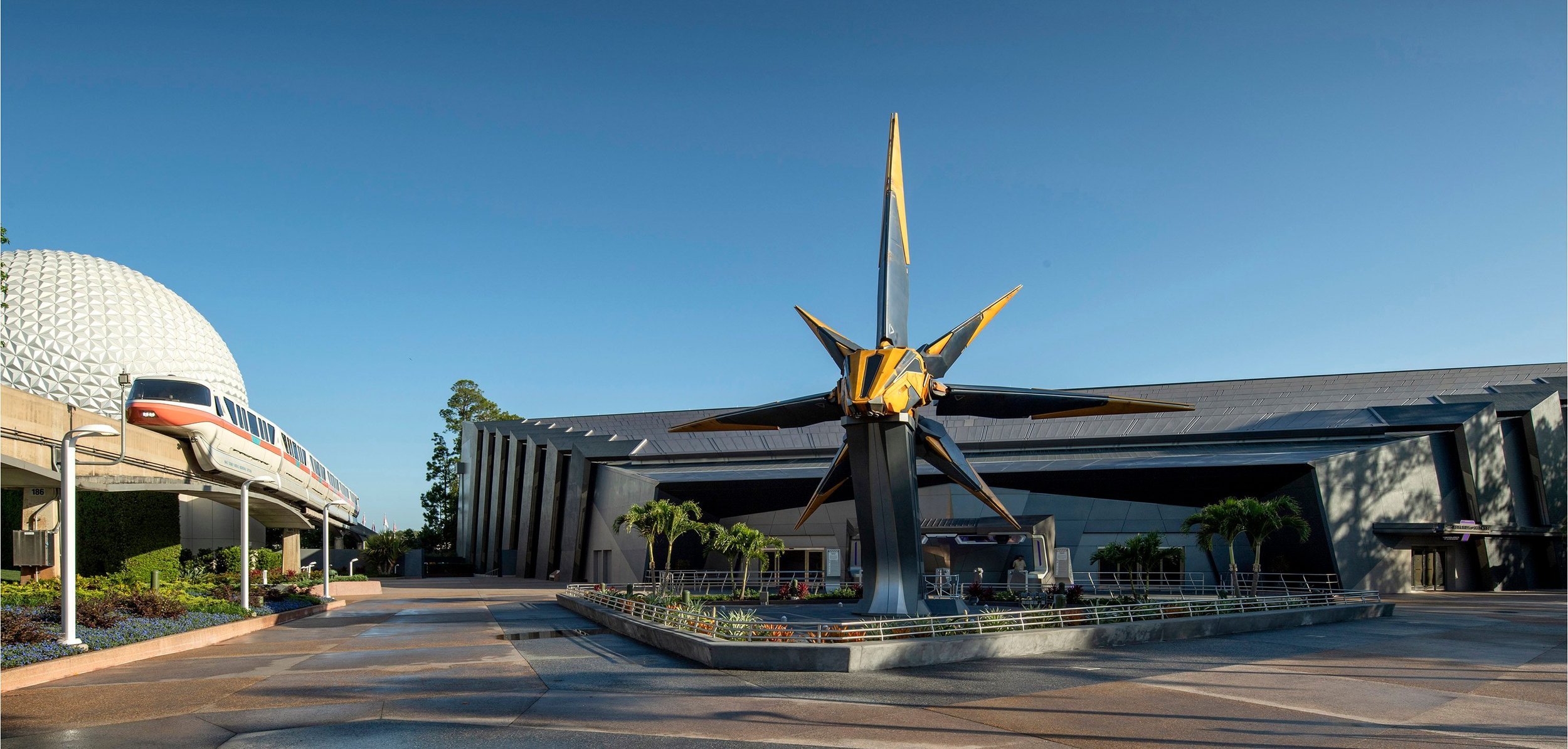
Think about that new, state-of-the-art coaster you just rode. It cost hundreds of millions of dollars to design, engineer, and build. But After it opens, the daily costs explode:
These rides require incredible amounts of power, especially the launched coasters that use Linear Synchronous Motors (LSMs). We’re talking about power requirements that rival small towns, just to get you from 0 to 60 mph in three seconds.
Theme parks don't just hire hourly workers. They employ electrical engineers, structural maintenance teams, specialized ride mechanics, costumed performers, and highly trained security personnel—all year-round, regardless of attendance. Every ride, every animatronic, and every themed sound system needs specialized, highly-paid labor working overnight to maintain it.
Between annual refurbishments and surprise shutdowns, the maintenance bill for a major ride is astronomical.
My park contacts frequently remind me: the rides are cost centers. They are the draw, the spectacle, and the reason you came, but they are a constant drain on the budget after the initial capital is spent.
These huge, non-stop, fixed costs mean that prices have to start very high before the park even sees a dollar of profit.
#3: The Profit Strategy: Speed, Simplicity, and Psychology
This is where the operation moves beyond simple speed and starts playing a sophisticated psychological game with your wallet. We're talking about the Disney Dining Plan. Universal, you’re off the hook on this one because you don’t offer a dining plan.
You’ve probably seen countless online discussions about whether a dining plan is "worth it."
I even have an entire video dedicated to just the dining plans!
I also wrote an article on the Disney Dining Plans if you’d prefer to read it. The pitch sounds simple and wonderful: pay one lump sum before your trip, and once you're in the park, your food feels "free" every single time you eat! It seems like a foolproof way to budget your vacation and take the stress out of constantly checking prices.
And honestly, it is mutually beneficial in some ways—it locks in your food budget and allows you to enjoy the convenience of ordering almost anything on the menu without worrying about costs adding up.
So there is decent value offered to the guest.
But the financial engine behind the plan is brilliant and ruthless.
This is where the park truly wins. The Dining Plan is priced assuming a certain level of usage, but the park knows that, on average, the guest will not fully utilize every single credit.
People get too busy sometimes to use all their credits.
Those small, unused credits across millions of guests add up to massive, pure profit known as the Unused Value Principle. T
he park secures a huge, interest-free cash flow months in advance for food it ultimately doesn't have to serve.
Lowering the Psychological Barrier
The Dining Plan is highly psychological, and as your about to discover, it’s why Disney can often give you the dining plan for free - which is a common promo we see each year.
See the dining plan removes your wallet's psychological barrier.
Since you feel like your meal is "free," you are far more likely to open your wallet to pay cash for that expensive, high-margin item that the plan doesn't cover.
It’s a powerful move. You’ll happily pay $15 cash for that craft beer or $25 cash for that souvenir cup because, in your mind, the burger and fries were already covered.
It’s the perfect illustration of theme park finance: they offer you a useful service (like budgeting for food) but structure it in a way that is mathematically designed to maximize high-margin cash spending on the side.
#2: Why You Pay Extra for the Blue Milk: The IP Premium
In Orlando, you are not simply buying a beverage; you are buying into an immersive experience.
College professors call this the Experience Economy. Build-A-Bear Workshop is a prime example.
They don’t just sell you a teddy bear; you enjoy the experience of making the teddy bear - and of course, pay for all the upgrades.
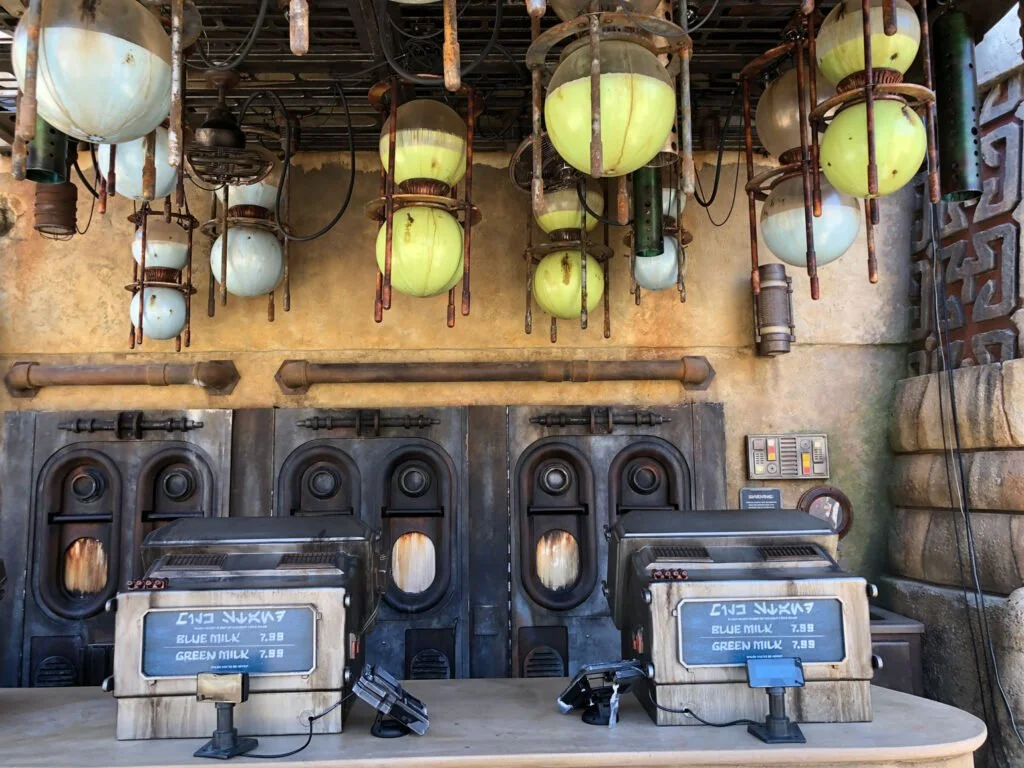
When I’m in Disney’s Hollywood Studios and shell out $8 for a special blue milk in a galaxy far, far away, or Butter Beer at Hogsmeade, I'm not primarily paying for the cost of the flavoring and syrup.
I am paying for the unique IP, the sound of the X-wings flying overhead, and the ability to post a photo of a beverage that literally cannot be purchased anywhere else.
That exclusivity removes all outside price comparison.
The price is set based purely on experiential value, not on the cost of coconut milk and syrup. The park also gets you with the Specialized Packaging.
They invest heavily in unique, themed cups. That souvenir container is priced as merchandise, not as a food cost, which is a clever way for the park to get you to buy a high-margin retail item that just happens to have a beverage or popcorn inside.
You are buying the proof that you were there, and people happily pay a premium for that social currency.
#1: The Biggest Secret: The Turnstile Trap
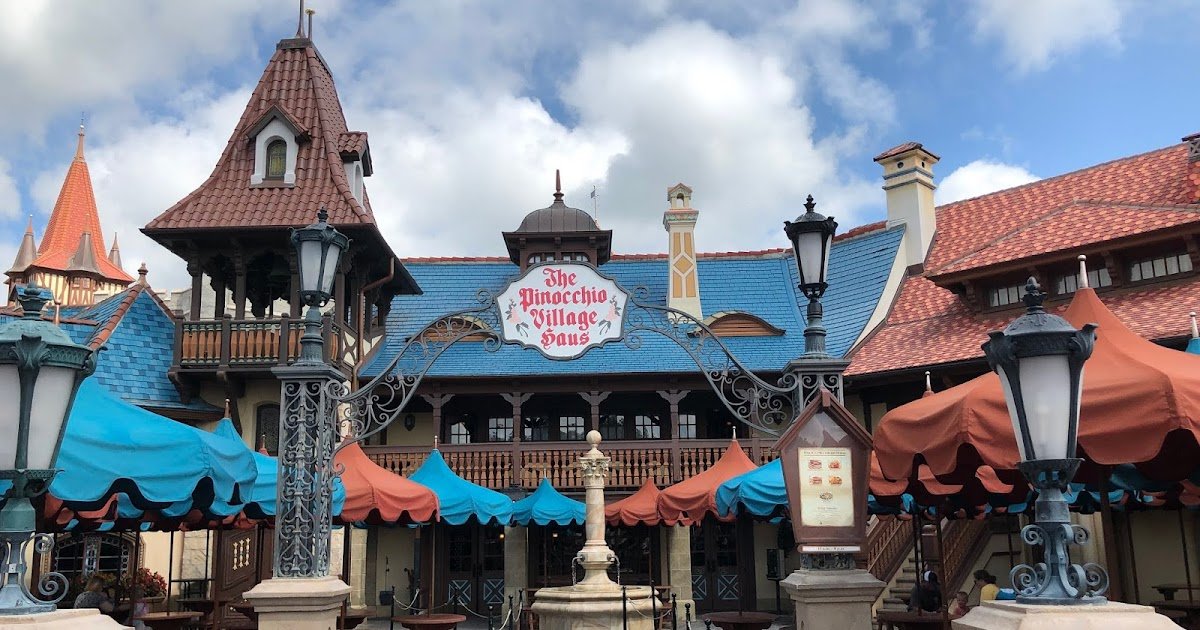
All of those other factors are secondary to this one fundamental economic reality: The Park Has a Monopoly.
Once you are through that turnstile, you are a captive audience.
The hassle of leaving the park—walking miles to the car, driving, finding a restaurant, parking again, and going through security to re-enter—is such a huge barrier that the cost of an overpriced meal inside becomes the better option.
Disney and Universal know this, and having already paid hundreds for admission, your pain tolerance for an extra $10 on lunch is very high.
They have eliminated all competition within the gates. Because of this, the park sets prices based entirely on guest tolerance, not on the cost of the food itself.
They constantly run tests, quietly raising prices by 30 to 50 cents at a time, to find the "sweet spot"—the highest possible price you’re willing to pay before the value breaks. And Disney and Universal are masters at this.
So be Smart with Your Spending.
Go ahead and buy that overpriced, themed snack. You're on vacation and you’re going to have a great time.
But just keep in mind you’re not just buying a Dole Whip; you’re buying into the fantasy—and the fantasy, as we've learned, wouldn't exist without that margin.
About Darren:
Darren is an Orlando-based travel writer and YouTuber who specializes in helping travelers make the most of their vacations to Walt Disney World, Universal Orlando Resort, Disney Cruise Line, and Royal Caribbean Cruises. Through detailed travel guides, reviews, and insider tips, Darren gives families, couples, and first-time visitors everything they need to plan magical Orlando theme park trips and unforgettable cruise adventures.
🎥 Watch his latest videos and travel guides on YouTube: Orlando Parks Guy
Search for more information on my blog.
Recent Articles
Tomorrowland’s most "crusty" classic is finally getting the love it deserves. Disney just confirmed that Buzz Lightyear’s Space Ranger Spin will reopen in Spring 2026 with a total technical overhaul. We’re talking handheld blasters, haptic feedback, and a brand-new character named Buddy. Here’s why this might finally become the best blaster ride in the world.