
The ULTIMATE 2026 Guide to Walt Disney World: 10 Things You MUST Know
Today, I’m breaking down the top 10 critical components to every Walt Disney World vacation that you need to know! From waiting less in line to choosing the perfect hotel, plus how to avoid paying steep fees if your plans change.
10. Package vs. No Package: The "Hidden" Rulebook
Starting off at #10 is How you book your stay. It sets the rules for your entire trip. In 2026, you have two choices: a Resort Package or a Room-Only reservation.
A Package is the "all-in-one" bundle that links your room and tickets under one confirmation number. It doesn’t actually save you money—it costs the same as booking everything separately—but it changes the math on your deposit and your "get out of jail free" card.
Room-Only is the most flexible. You can cancel or change it up to 8 days before arrival for a full refund. The catch? Your deposit is the cost of one full night. If you’re staying at the Polynesian, you’re dropping $800 just to hold the room.
A Package only requires a flat $200 deposit, but you have a stricter 30-day cancellation window. If you bail within that month, you lose the $200.
The Insider Secret: Book the package if you want to protect your tickets. If you buy theme park tickets separately, they are non-refundable. If you buy them in a package, they fall under that same $200 cancellation rule.
I’d say 90% of families should stick to a package. It only makes sense to go Room-Only if you’re a local, an Annual Passholder, or you’re getting a specific ticket deal through your employer. If you’re "bringing your own tickets" but still want that $200 deposit rule, you can ask for a "ticketless package." ITs When you want the perks of a package, but don’t want to include tickets. But you know what, we’re getting into the weeds here. This doesn’t apply to very many people.
Now, let’s take a deep dive into one of your biggest expenses.
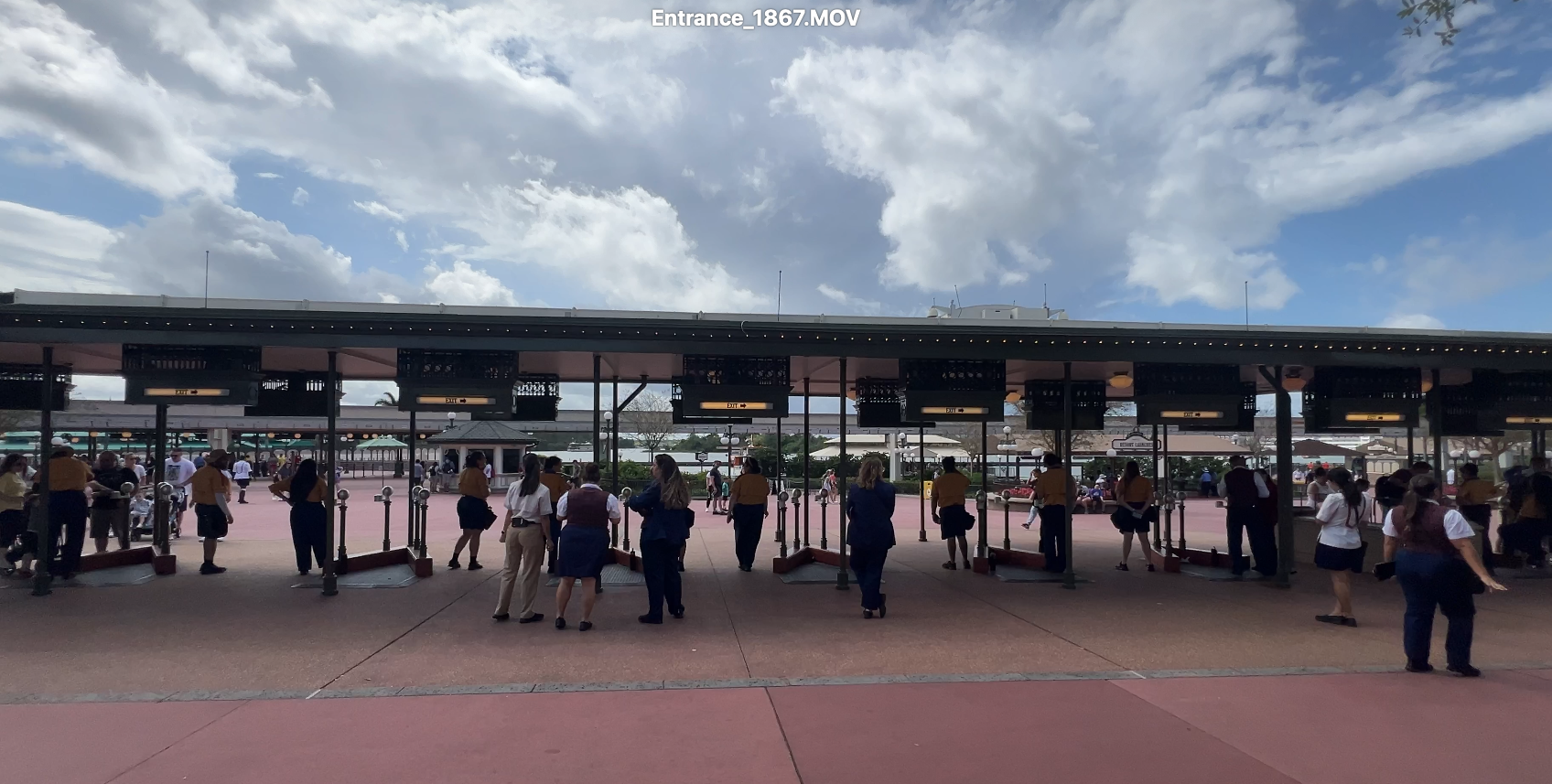
Magic Kingdom entrance
9. Ticket Basics: Debunking the "Media Math"
At #9, we need to about ticket pricing. Every time Disney raises prices by five dollars, the national news outlets treat it like the end of the world. They love to run headlines saying, "Disney World Now Costs $180 Per Day!" But that is blatantly false. This used to drive me nuts.
Here is the truth for 2026: Disney uses variable pricing. A Tuesday in mid-September is going to be significantly cheaper than Christmas Eve. But more importantly, Disney rewards you for staying longer. The media always quotes the 1-day ticket price. But at Disney World, the more days you add, the cheaper each day becomes. By the time you get to a 10-day ticket, you aren’t paying $180 a day; you’re often paying less than $100 a day.
There are Four Theme Parks: You’ve got Magic Kingdom (the Castle Park), EPCOT (the food and the future), Hollywood Studios (the movies and Star Wars), and Animal Kingdom (the animals and Pandora). Each one requires a ticket, but how you use that ticket matters.
ONce you decide on how many days you want to be in the parks, you’ll have to consider if you want to visit one park per day, or multiple parks on the same day.
That leads us to the Park Hopper option: You can start your morning at Magic Kingdom, hop over to EPCOT for lunch, and finish your night at Hollywood Studios if you have the energy. Who is this for? It’s for the short trips. If you’re only here for 3 days, you need a Park Hopper to see the highlights. If you’re here for 7 days, you can probably skip the extra cost and just do one park per day.
The Water Park Perk: Here is the best "hidden" secret. If you are staying at a Disney Resort hotel, you now get free admission to a water park on your arrival day. Whether it’s Blizzard Beach or Typhoon Lagoon, you can land at MCO, drop your bags at the hotel, and go hit the lazy river without spending a dime of your ticket budget.
In #8, we’ll review where to sleep: it doesn't just dictate your budget; it dictates how much 'bonus time' you could get in the parks while everyone else is being kicked out.
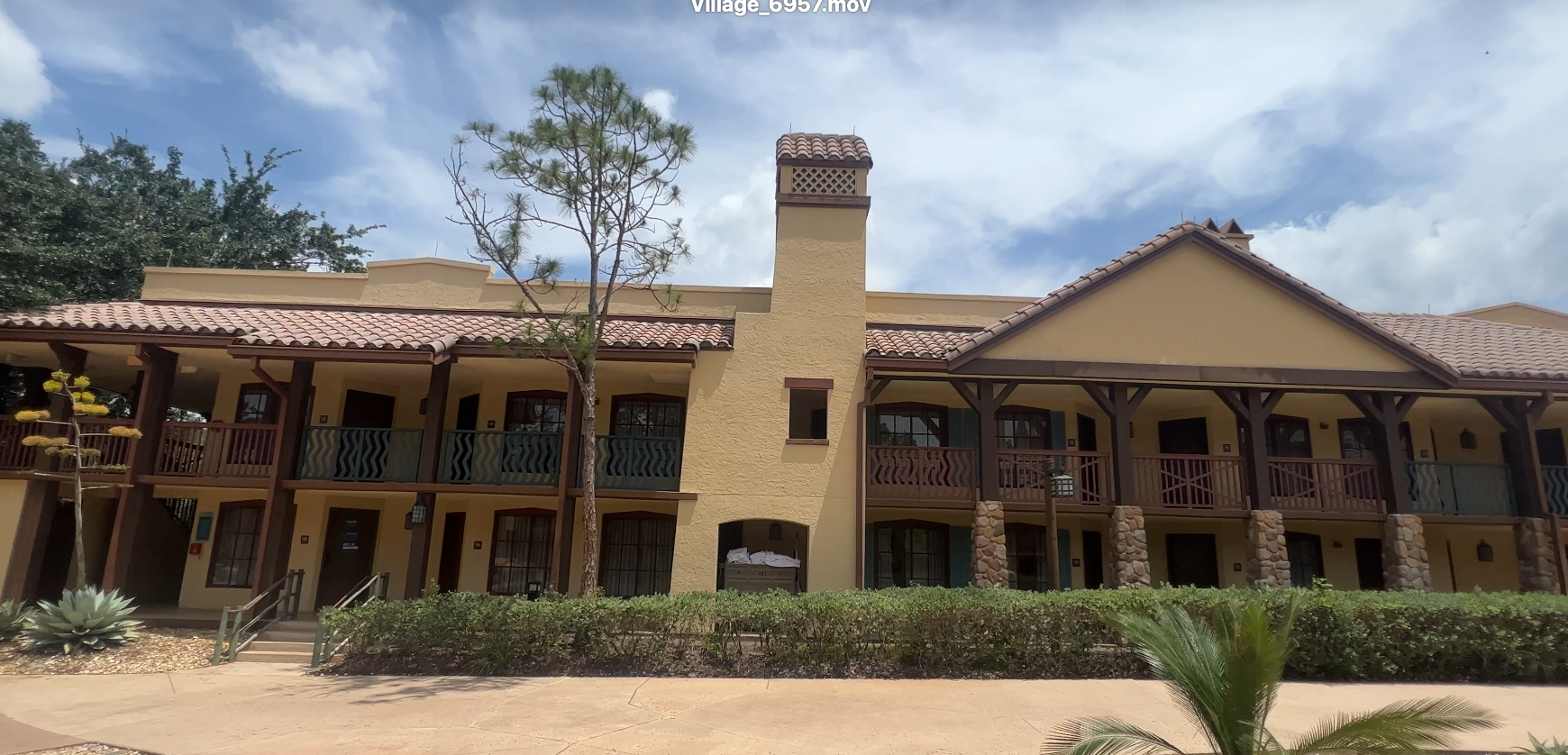
Disney’s Coronado Springs Resort
8. Disney World Resorts: The Tier System Breakdown
Here at #8, I need to stress that where you sleep is the biggest decision you'll make. Disney divides its hotels into three main tiers, and in 2026, the gap between them has never been wider.
Disney Value Resorts are The "Theme-Heavy" Choice: These are your All-Star Movies, Music, and Sports, plus Pop Century and Art of Animation. Expect to pay between $180 and $260 per night.
The Vibe: Massive character statues loud colors, and high energy.
The Reality: The rooms are small (usually about 260 sq. ft.) and have outside entry, which feels a bit like a motel. But if you’re a family with young kids who just want to see Mickey everywhere, these are perfect. Plus, Pop Century and Art of Animation give you access to the Skyliner, but more on that in a moment.
Disney Moderate Resorts (The "Middle Ground"): Think Caribbean Beach, Coronado Springs, and Port Orleans. These are running $320 to $480 per night in 2026.
The Vibe: Lush landscaping, multiple pools with slides, and better dining options.
The Reality: These resorts are massive. You might have to take a bus just to get to your hotel's lobby. But they offer a much more "vacation" feel than the Value resorts. If you want a sit-down restaurant at your hotel, this is your starting point.
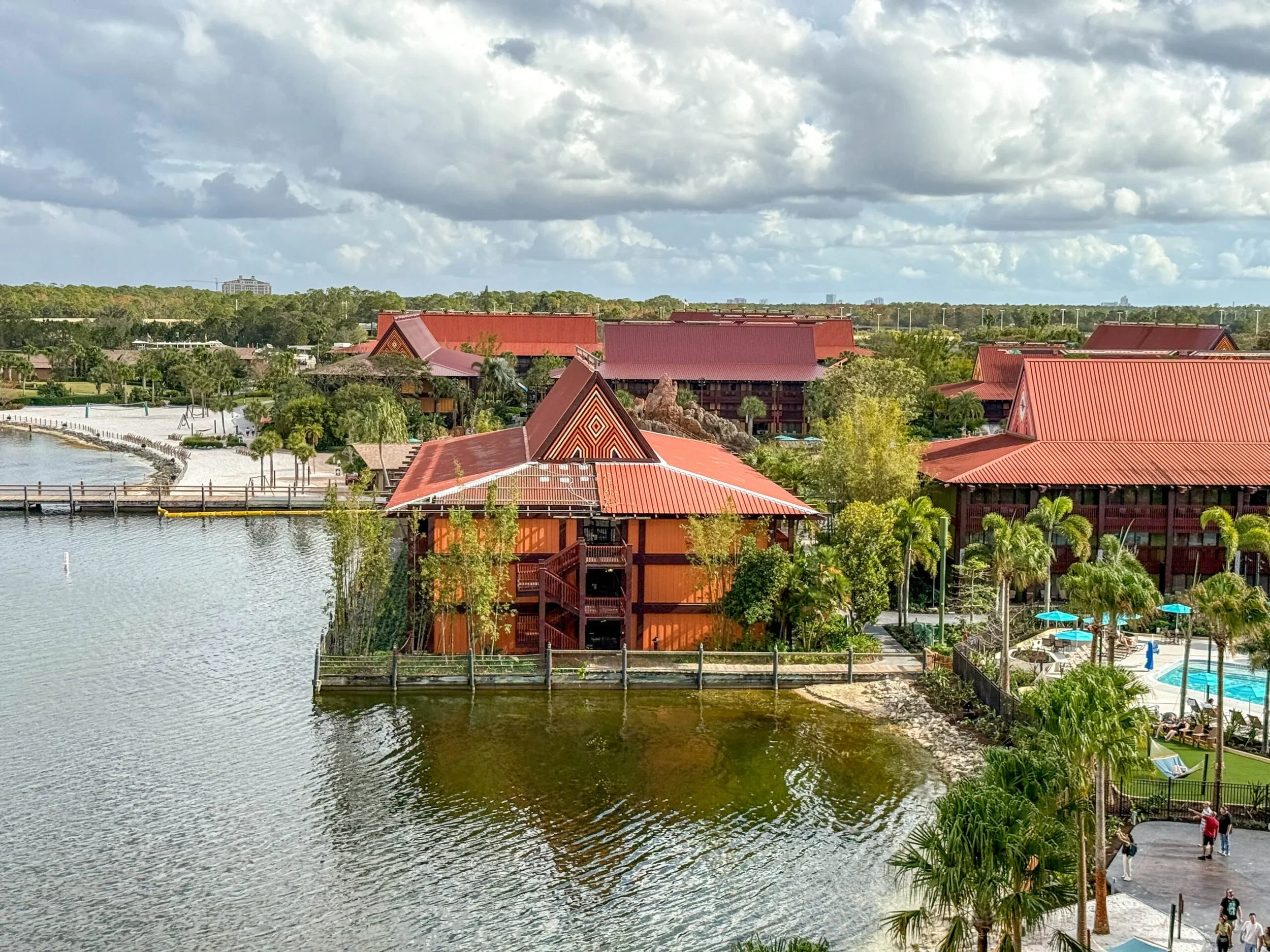
And then we have the Disney Deluxe Resorts: This is the Grand Floridian, the Polynesian, and the Yacht and Beach Club to name a few. We are talking $650 to $1,200+ per night.
The Vibe: incredible locations (walking distance to parks or on the Monorail), and Disney’s best service.
The Perks: This is the most important part for 2026. Only Deluxe guests get Extended Evening Hours. On select nights (usually Mondays and Wednesdays), EPCOT and Magic Kingdom stay open late only for Deluxe guests.
7. Dining in the Parks: Avoiding the "Tray Balancing" Blues
Disney dining is a science, so my #7 tip today is to make a plan; otherwise, you’re going to end up frustrated, hungry, and balancing a tray of soft drinks while searching for a seat.
There are 2 restaurant categories at Disney World: Quick Service and Table Service:
So, Quick Service is Disney’s version of fast food. You order at a counter and seat yourself.
Table Service is your traditional restaurant experience with a server. You should have a reservation for these; otherwise, you probably won’t get in.
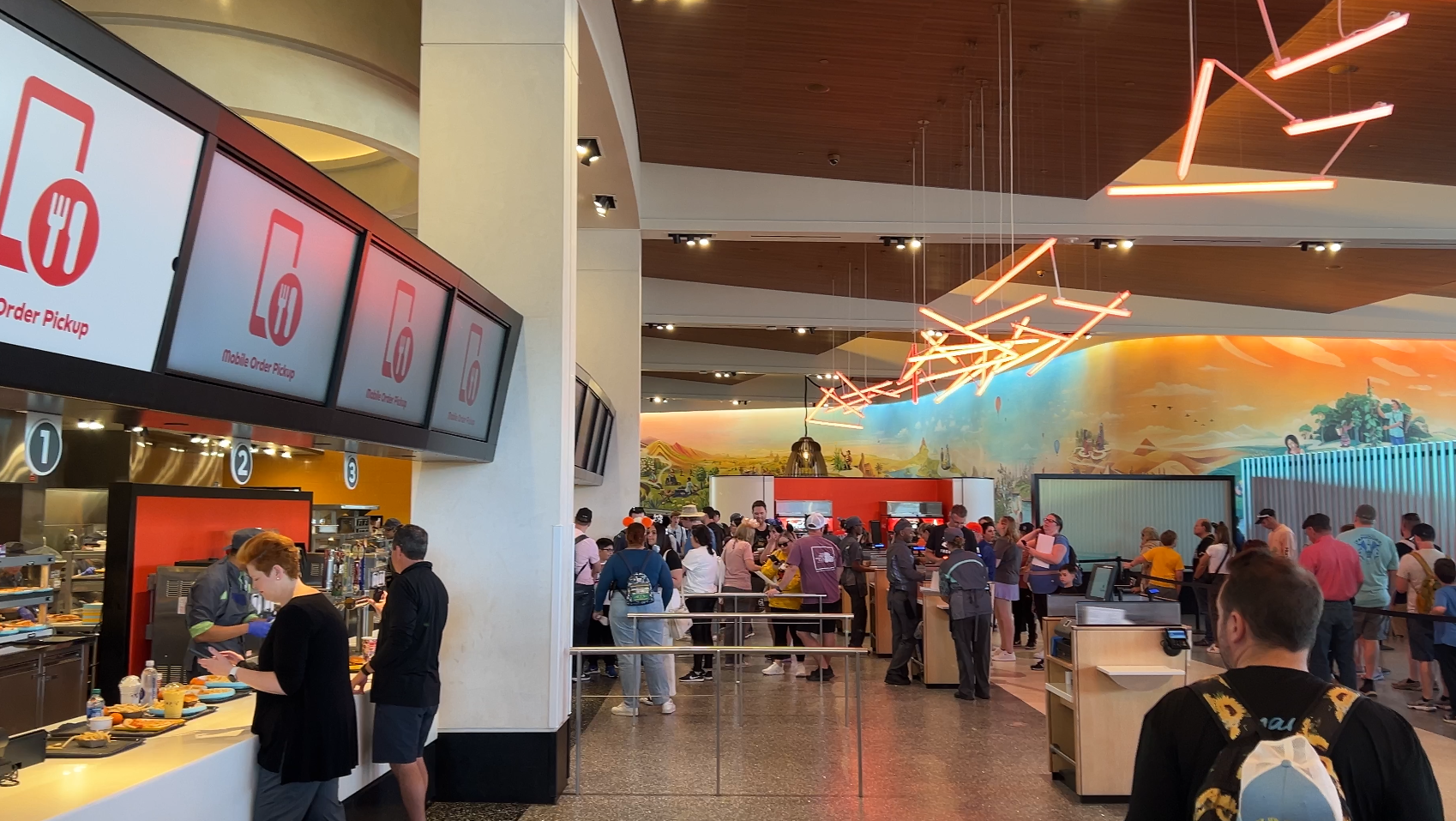
My Pro Tip for Quick Service: I cannot stress this enough: Use Mobile Order. almost every Quick Service spot requires it or heavily encourages it. But here is my personal "OrlandoParksGuy" rule: Find your table first. There is nothing I hate more than walking around a crowded dining hall like Cosmic Ray’s or Docking Bay 7, balancing a tray of food, trying to hunt down a table while my food gets cold. Assign one person to find the table, then hit "I'm here, prepare my food" in the app.
Now, Character Meals well, these are the heavy hitters—Chef Mickey’s, Hollywood and Vine and so on, these will cost you about $60–$80 per person. Honestly? They aren't as popular as they used to be. They’ve become very expensive, and the food quality at some of them hasn't kept up with the price hike. If you aren't on a Dining Plan, I’d skip the character meal and just meet the characters for "free" in the parks. You'll save yourself from a $400 breakfast.
6. Dining Plans: Budgeting Made Easy
While we’re talking about food and dining, our #6 spot takes us into the Disney Dining Plans. I have an entire 20-minute video breaking down the math of the Dining Plan, Ill link to it in the show notes.
The Disney Dining Plan is essentially a way to prepay for your meals so you don't have that "sticker shock" every time you see a receipt. It keeps things simple. You get a set number of credits per night of your stay.You use your credits at anytime during your vacation and you can keep track of them on the mobile app.
There are 2 plans in 2026:
Quick Service Dining Plan: Great for families who want to stay on the move.
Regular Dining Plan: this is the way to go if you want table service dining options (including character meals).
There is a lot to know about the dining plans - this is a very basic overview - so chcek out my dining plan video for the big details.
Here’s my hot take: I like them! I believe they allow you to order the most expensive thing on the menu without worrying about the bill. Order the steak instead of the chicken; it’s just one credit. It takes the "financial guilt" out of the vacation. Most character meals are included in the Regular Dining Plan, which means when that $400 character breakfast bill comes, you only pay the server’s gratuity. If you want a stress-free budget, the Dining Plan is your best friend.
5. Time in the Parks: The Summer Sunset Struggle
#5 puts a lot of people on the struggle bus and this is one of my only real gripes with Disney World. The park hours have shortened. Animal Kingdom often closes at dinner time—sometimes as early as 5 PM. EPCOT and Hollywood Studios usually close at 9:00 PM. Here is why that is a problem: In the Orlando summer, the sun and the heat are absolutely relentless until about 8:30 PM. Remember, it’s the Sunshine State!
If you plan to take a mid-day break to avoid heatstroke (which you should!), you might head back to the park at 7:30 PM, only to find the park closing in 90 minutes. It gives you almost no time to enjoy the parks after dark, It’s a real shame that Disney doesn't keep the gates open until 11:00 PM or Midnight like they used to. I would rather they open later in the morning and stay open later in the evening when the sun is so strong.
But here’s how to beat it:
If you’re at a Disney hotel, you’ll get a 30-minute head start over Passholders and off-property guests with Early Park Entry. Where the parks open 30 minutes early just for resort guests.
As I mentioned, stay at a Deluxe resort for those late-night sessions.
And Check the App: Park hours are usually posted 6-8 weeks in advance. Plan your "must-do" rides for the first hour and the last hour of the day.
4. Skipping the Lines: The Paid Era
Let’s talk about Disney’s Paid Era - here at #4. Gone are the days of the free FastPass. In 2026, skipping the line is a mega premium service, and you need to budget for it.
The big one is Lightning Lane Multi Pass: It allows you to book times to skip the standby line for dozens of attractions. You’ll likely be able to use it on 3-4 rides per day.
Lightning Lane Single Pass: This is for the "Mega-Headliners" like Guardians of the Galaxy at Epcot or Star Wars: Rise of the Resistance in Hollywood Studios. You pay a separate fee (usually $15–$35) just for that one ride.
The Cost: In 2026, expect to pay anywhere from $20 to $45 per person, per day for the Multi Pass. On a busy Saturday, it’s going to be expensive. On a rainy Tuesday in September, it’ll be cheaper. But here’s the kicker: don’t even think about booking these until you read my next section on advance planning, because the "when" is just as important as the "how."
3. Advance Planning: The 60-Day Sprint
If you show up to Orlando in 2026 expecting to "wing it," you are going to have a bad time. So advance planning is mission critical.
Dining Reservations book these 60 days in advance. The app and website go live at 6:00 AM EST exactly 60 days out. Lightning Lane Selections: You can now select your first three Lightning Lanes before you arrive. If you’re at a Disney hotel, you get a 7-day head start. If you’re off-site, you get 3 days. This means if you wait until you're in the park, all the good rides will be gone.
Planning When to Go is also very important.
Off-Peak?: May and September are your best bets for lower crowds, but it’s hot, and afternoons are rainy.
And Peak: February through April (Spring Break) and any holiday week are the most expensive and most crowded.
Avoid Christmas Week at all costs. The parks hit capacity, the lines for the bathroom are 20 minutes long, and you will not enjoy the "magic" when you’re being stepped on by 50,000 other people. Just don’t do it. I mean that! Don’t even think about Christmas week.
2. Getting Around: The Transportation Game
At #2 we need to talk about how to get around Disney’s 50 square miles of property. Disney transportation is free, but it requires patience. Think of it like a public transit system.
The Monorail and Skyliner are efficient and fun, but during the "morning rush," the lines can be 30 minutes long just to get on. The Bus service is reliable, but it’s very slow.
My 2026 Hack: Use Uber or Lyft. If you’re exhausted, it’s 95 degrees out, and a Florida thunderstorm is brewing, do not stand in a 40-minute bus line. Spend the $15-$20 for a Lyft. Most drivers in this area have SUVs and Vans specifically for families. Or you can use Disney Minnie Van: It’s Disney’s own Lyft service. It’s expensive—I’ve never paid less than $35—but it is the only rideshare that can drop you off at the very front of Magic Kingdom. There’s something to be said for that kind of service.
Getting from the Airport (MCO): Don’t take the shuttles. They are about $17 per person, but they stop at five different hotels before yours. A Lyft or Uber will be faster, more private, and often cheaper for a family of four.
1. The Rides: The "Can't Miss" Headliners
So here we are at #1, the most exciting - let’s talk attraction tips.
When it finally comes time to hit the attractions, every park in 2026 has a "heavy hitter" that you simply cannot skip. At Magic Kingdom, your priority list starts with Tiana’s Bayou Adventure, Seven Dwarfs Mine Train, and TRON Lightcycle / Run.
Over at EPCOT, you have to experience Guardians of the Galaxy: Cosmic Rewind; it is arguably the best-engineered coaster in the world right now and is worth every bit of the hype. It’s my all-time favorite ride at Disney. Test Track is another Must-Do and has a lower height requirement.
Hollywood Studios belongs to Star Wars: Rise of the Resistance, and I’m telling you, even if you aren’t a Star Wars fan, the sheer scale and technology of this ride are mind-blowing. Mickey’s Runaway Railway and Slinky Dog Dash should also be on your list.
Finally, at Animal Kingdom, Avatar Flight of Passage is still the undisputed king of flight simulators and of course Kilimajaro Safari. Here’s a tip - the best time to see the animals isn’t when the park opens, but in late afternoon because they tend to be more active.
Now, if you’re traveling with little ones who aren't quite tall enough for these thrillers, do not stress—just use Rider Switch, or what most of us call Child Swap. It’s where one parent waits with the kids while the other rides, and then you simply trade places so the second parent can skip the line. It ensures noone in the family has to miss out on the big E-ticket attractions if they are able to ride them. Just ask a cast member at each attraction for a rider switch pass.
A lot goes into planning your Disney vacation - and you’re doing the right thing by doing your homework. To help with that, I have an entire planning playlist on YouTube that will help you get the most of your vacation. The link is coming up right now. I’ll see you over there.
Search for more information on my blog.
Recent Articles

The OrlandoParksGuy blog is officially sunsetting as 100% of our focus shifts to building the ultimate visual travel and vacation strategy resource on YouTube. Say hello to Destination Orlando.